Sustainable Practices for Hydroponic Gardening
Hydroponic gardening is already a sustainable alternative to traditional soil-based gardening, but there's always room to make your system even greener.
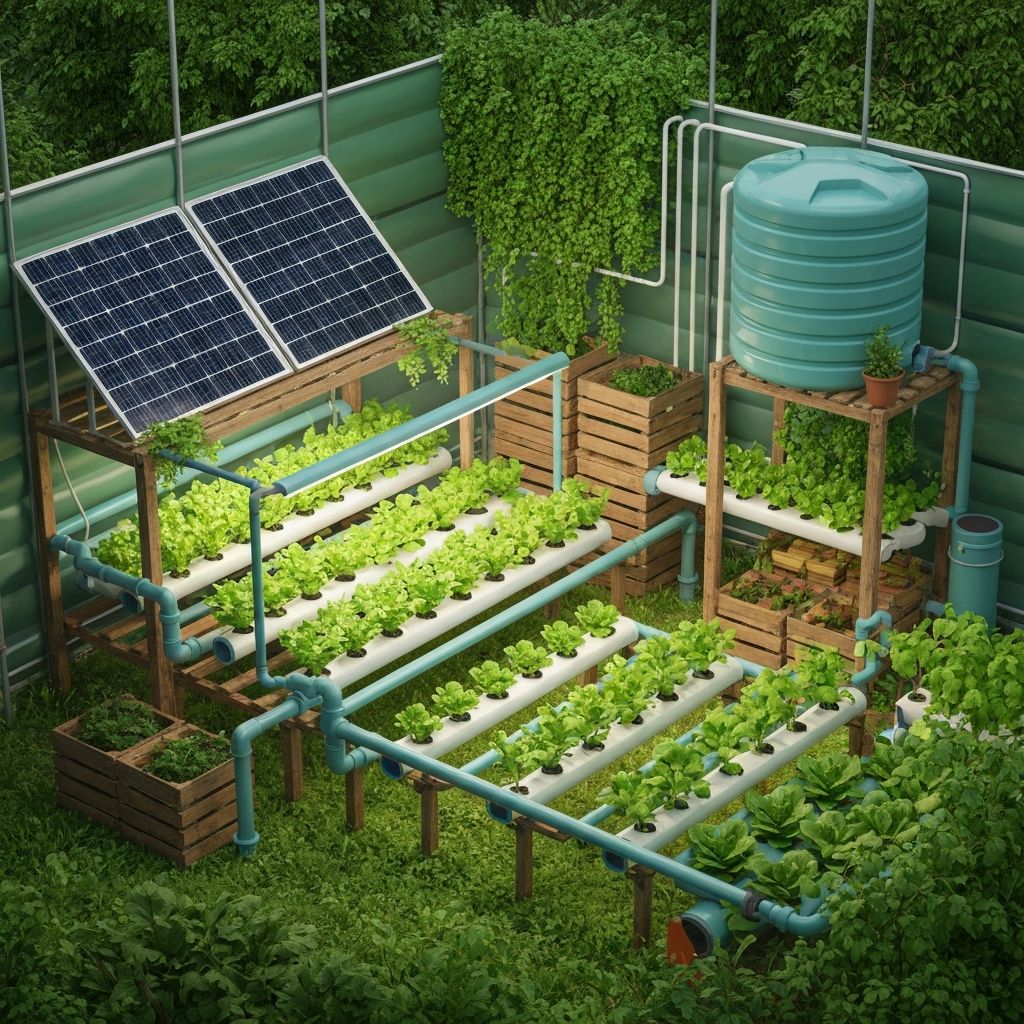
Hydroponic gardening is already a sustainable alternative to traditional soil-based gardening, but there's always room to make your system even greener. By incorporating eco-friendly practices, you can reduce your environmental footprint while growing healthy, abundant plants. In this article, we'll explore sustainable strategies for hydroponic gardening.
1. Use Renewable Energy
Hydroponic systems often rely on electricity for lights, pumps, and climate control. Here's how to reduce your energy footprint:
Solar Power - Solar panels can offset electricity usage - Battery storage for overnight operation - Especially viable for outdoor/greenhouse systems - Many areas offer incentives for solar installation
Energy-Efficient Equipment - LED lights use 50-70% less energy than HID - Variable speed pumps save electricity - Timer-controlled systems avoid waste - Insulate systems to reduce heating/cooling needs
Optimize Light Usage - Use reflective materials to maximize efficiency - Position plants to minimize shadowing - Turn off lights during peak electricity rates - Consider natural light supplementation
2. Conserve Water
Hydroponics already uses up to 90% less water than soil gardening, but you can do even better:
Recirculating Systems - Choose systems that recycle nutrient solution - DWC, NFT, and ebb/flow all recirculate - Minimize drain-to-waste practices
Reduce Evaporation - Cover reservoirs - Maintain proper temperatures - Use humidity domes for seedlings - Mulch or cover growing medium
Harvest Rainwater - Collection systems are simple to build - Filter before use in hydroponics - Test pH and treat if necessary - Free and sustainable water source
Fix Leaks Promptly - Inspect systems regularly - Replace worn tubing - Check connections and seals - Monitor water consumption trends
3. Choose Sustainable Growing Media
Reusable Options - **Clay pebbles (hydroton):** Wash and reuse indefinitely - **Perlite:** Can be cleaned and reused several times - **Growstones:** Made from recycled glass
Biodegradable Options - **Coco coir:** Sustainable coconut byproduct - **Rice hulls:** Agricultural waste product - **Peat moss:** Use sparingly (slow to renew)
Avoid Single-Use When Possible - Minimize rockwool use (not biodegradable) - Clean and sanitize media between crops - Properly dispose of spent media
4. Use Organic and Natural Inputs
Organic Nutrients - Several organic hydroponic nutrient lines available - Compost teas can supplement feeding - Fish-based fertilizers are popular - May require more monitoring
Natural Pest Control - Beneficial insects (ladybugs, lacewings) - Neem oil and insecticidal soaps - Companion planting where possible - Prevention through cleanliness
Beneficial Microbes - Mycorrhizae support root health - Beneficial bacteria prevent pathogens - Reduce need for chemical treatments - Create more resilient system
5. Reduce, Reuse, Recycle
Reduce Waste - Buy only what you need - Proper storage extends product life - Accurate measuring reduces overuse - Digital records save paper
Reuse Materials - Repurpose containers and buckets - Clean and reuse net pots - Save and germinate seeds - Creative use of household items
Recycle Responsibly - Recycle plastic containers when worn out - Compost plant waste - Proper disposal of batteries and electronics - Research local recycling programs
6. Grow Efficiently
Space Optimization - Vertical growing maximizes square footage - Staggered planting ensures constant production - Interplanting compatible crops - Avoid growing more than you can use
Climate Adaptation - Use ambient temperature when possible - Seasonal crop selection - Passive heating and cooling strategies - Work with your environment, not against it
Local Food Benefits - Zero transportation emissions - Peak freshness and nutrition - Connection to your food - Inspire others to grow their own
7. Share and Educate
Community Impact - Share excess harvest with neighbors - Teach others about hydroponics - Donate to food banks - Support local growing initiatives
Continuous Learning - Stay updated on sustainable practices - Join online communities - Experiment with new techniques - Share your successes and failures
The Bigger Picture
Sustainable hydroponic gardening is about: - Minimizing resource consumption - Reducing environmental impact - Growing healthy food locally - Building resilient food systems
Every small step adds up. Whether you're adding a solar panel or simply reusing your growing media, you're contributing to a more sustainable future while enjoying the rewards of homegrown produce.
Ready to Start Growing?
Check out our product reviews to find the perfect hydroponic system for your needs.
View Product Reviews