How Much Light Do Hydroponic Plants Actually Need?
Lighting is one of the most important factors for growing healthy plants in a hydroponic system. But how much light do hydroponic plants actually need? Let's break it down.
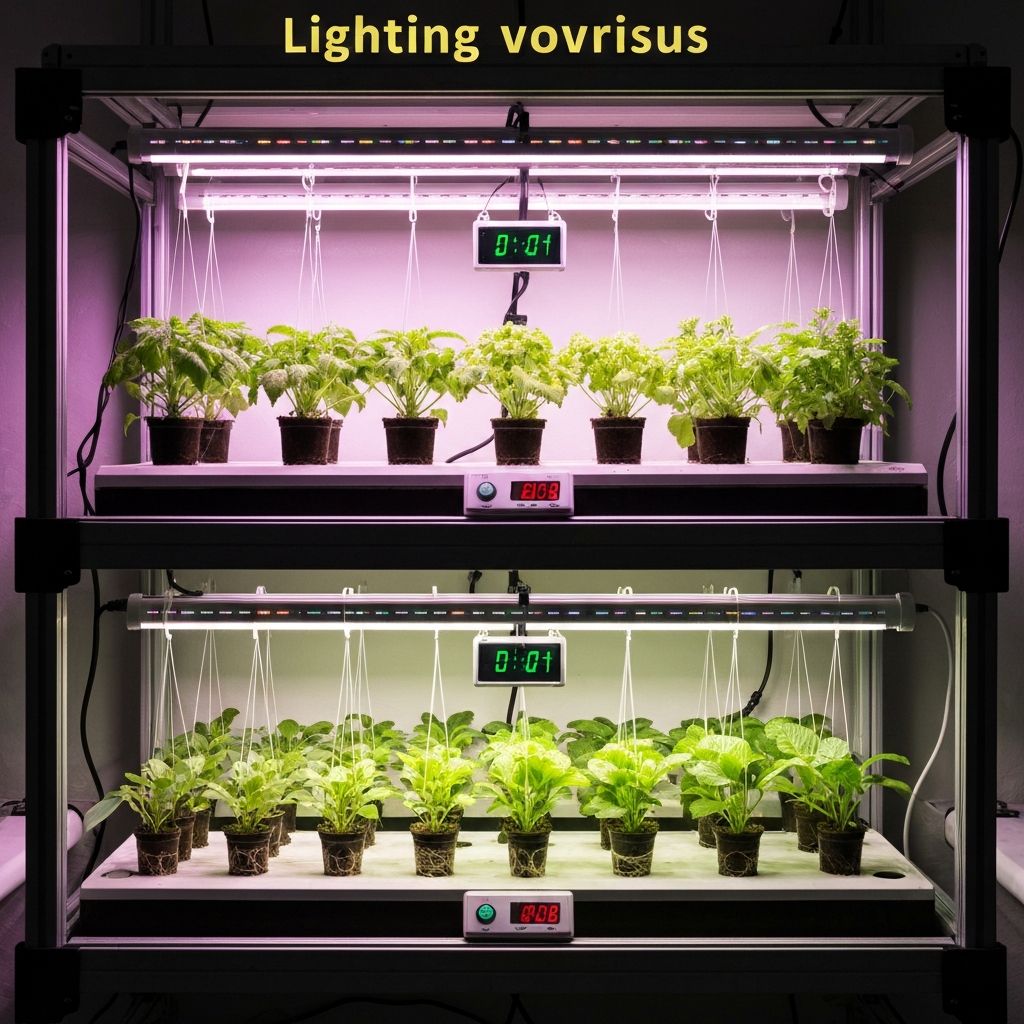
Lighting is one of the most important factors for growing healthy plants in a hydroponic system. Whether you're cultivating leafy greens, herbs, or fruiting plants like tomatoes and peppers, providing the right amount and type of light is essential for photosynthesis, growth, and yield. But how much light do hydroponic plants actually need? Let's break it down.
Understanding Daily Light Integral (DLI)
DLI measures the total amount of light a plant receives over 24 hours. It's expressed in mol/m²/day and is the most accurate way to determine if your plants are getting enough light.
DLI Requirements by Plant Type
| Plant Type | DLI (mol/m²/day) |
|---|---|
| Lettuce, Herbs | 12-17 |
| Tomatoes, Peppers | 20-30 |
| Cannabis | 35-45 |
| Microgreens | 8-12 |
Light Duration Guidelines
Seedlings - **Duration:** 16-18 hours - **Intensity:** Low to moderate - **Notes:** Too much light can stress young plants
Leafy Greens and Herbs - **Duration:** 12-16 hours - **Intensity:** Moderate (200-400 PPFD) - **Notes:** Don't need intense light to thrive
Fruiting Plants (Tomatoes, Peppers) - **Duration:** 14-18 hours vegetative, 12-14 hours fruiting - **Intensity:** High (400-600+ PPFD) - **Notes:** Need more light for fruit production
Flowering Plants - **Duration:** Often 12 hours to trigger flowering - **Intensity:** High - **Notes:** Light cycle changes signal reproduction
Signs Your Plants Need More Light
- Stretching or "leggy" growth - Pale or yellowing leaves - Slow growth - Leaning toward light source - Small leaves - Poor flowering or fruiting
Signs of Too Much Light
- Bleached or white patches on leaves - Curling or cupping leaves - Brown, crispy leaf edges - Leaves turning away from light - Stunted growth despite good conditions
Optimizing Your Light Setup
1. Measure, Don't Guess Invest in a PAR meter or use a smartphone app to measure actual light levels at plant height.
2. Adjust Height Seasonally As plants grow, maintain optimal distance from lights.
3. Consider Reflective Materials Use white walls or reflective materials to maximize light efficiency.
4. Rotate Plants Ensure even light distribution, especially in systems with side lighting.
5. Use Timers Consistent light schedules are crucial for plant health.
The Bottom Line
Different plants have different light needs, and providing the right amount is key to healthy growth and maximum yields. Start with general guidelines, observe your plants, and adjust as needed. Your plants will tell you if they're happy!
Related Articles
Ready to Start Growing?
Check out our product reviews to find the perfect hydroponic system for your needs.
View Product Reviews