Growing Tomatoes and Peppers Hydroponically
Tomatoes and peppers are two of the most rewarding crops to grow hydroponically. Their vibrant colors, rich flavors, and versatility make them favorites for gardeners.
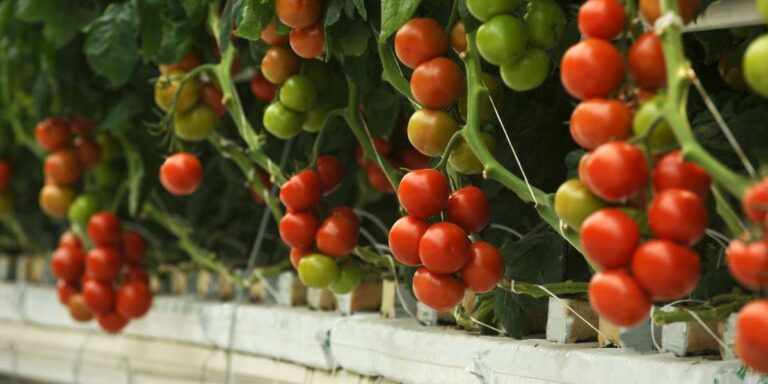
Tomatoes and peppers are two of the most rewarding crops to grow hydroponically. Their vibrant colors, rich flavors, and versatility in the kitchen make them favorites for gardeners. If you're wondering whether these fruiting plants can thrive without soil, the answer is a resounding yes! Hydroponic systems provide everything tomatoes and peppers need for healthy growth and abundant harvests.
Why Grow Tomatoes and Peppers Hydroponically?
Benefits - Year-round production regardless of climate - Faster growth and higher yields - Cleaner fruit (no soil splash) - Better disease control - Precise nutrient management
Challenges - Higher light requirements than leafy greens - Need support structures - Longer growing cycle - More demanding of nutrients - Require pollination assistance indoors
Best Varieties for Hydroponics
Tomatoes - **Cherry/Grape:** Tumbling Tom, Sweet 100, Sun Gold - **Determinate:** Roma, Celebrity, Bush Early Girl - **Indeterminate:** Beefsteak, Cherokee Purple, Brandywine - Start with determinate varieties for easier management
Peppers - **Sweet:** California Wonder, Mini Bell, Lunchbox - **Hot:** Jalapeño, Cayenne, Habanero - **Compact:** Mohawk, Apache, Basket of Fire - Compact varieties work best in smaller systems
System Requirements
Recommended Systems - Dutch buckets (drip with drain) - Deep Water Culture (DWC) for smaller varieties - Ebb and Flow for multiple plants - Kratky method (passive, smaller plants only)
Container Size - Minimum 3-5 gallons per plant - Larger is better for indeterminate tomatoes - Peppers can thrive in 3-gallon containers
Nutrient Requirements
Vegetative Stage - Higher nitrogen ratio - EC: 1.5-2.0 - pH: 5.8-6.3 - Focus on strong stem and leaf development
Flowering/Fruiting Stage - Reduce nitrogen, increase P and K - EC: 2.0-3.0 - Add calcium and magnesium supplements - Watch for blossom end rot (calcium deficiency)
Lighting Requirements
Intensity - Minimum 600 PPFD for fruiting - 800+ PPFD optimal - 30-50 DLI for maximum production
Duration - 14-18 hours vegetative - 12-14 hours fruiting - Consistent schedule important
Temperature and Environment
Ideal Ranges - Day: 70-85°F (21-29°C) - Night: 60-70°F (16-21°C) - Tomatoes: Prefer cooler nights - Peppers: Tolerate warmer conditions
Pollination - Indoor plants need help! - Shake plants gently daily - Use an electric toothbrush on flowers - Small fan for air movement - Consider hand pollination
Training and Support
Tomatoes - Single stem training recommended - Remove suckers regularly - Use string or stakes for support - Lower and lean for long-season crops
Peppers - Generally self-supporting - May need stakes when heavily loaded - Pinch early flowers for stronger plants - Limited pruning needed
Common Issues
Blossom End Rot - Caused by calcium deficiency - Maintain consistent watering - Add Cal-Mag supplement - Don't let pH drop too low
Poor Fruit Set - Temperature too high or low - Inadequate pollination - Nutrient imbalance - Light stress
Leggy Growth - Insufficient light intensity - Plants stretching for light - Increase light or lower fixtures
Harvest Tips
Tomatoes - Harvest when fully colored for best flavor - Can pick slightly early and ripen off vine - Regular harvesting encourages production
Peppers - Can harvest green or wait for color - Colored peppers are sweeter - Cut with scissors to avoid plant damage
Getting Started
- Choose appropriate varieties
- Set up adequate lighting
- Plan for support structures
- Stock up on Cal-Mag supplement
- Start seeds 6-8 weeks before transplanting
- Be patient—fruiting takes time!
With proper care, hydroponic tomatoes and peppers can produce incredible harvests that rival or exceed outdoor gardens. The taste of a freshly picked, vine-ripened tomato in the middle of winter makes all the effort worthwhile!
Related Articles
The Best Plants to Grow Hydroponically for Beginners
When starting your hydroponic journey, choosing the right plants is key to building confidence and enjoying success. Here's our guide to the best crops for beginners.
Read morePlants & CropsGrowing Fresh Herbs Indoors: Basil, Mint, and Cilantro
Growing fresh herbs indoors is a rewarding and convenient way to elevate your cooking. With hydroponics, you can grow basil, mint, and cilantro year-round without soil.
Read moreReady to Start Growing?
Check out our product reviews to find the perfect hydroponic system for your needs.
View Product Reviews